
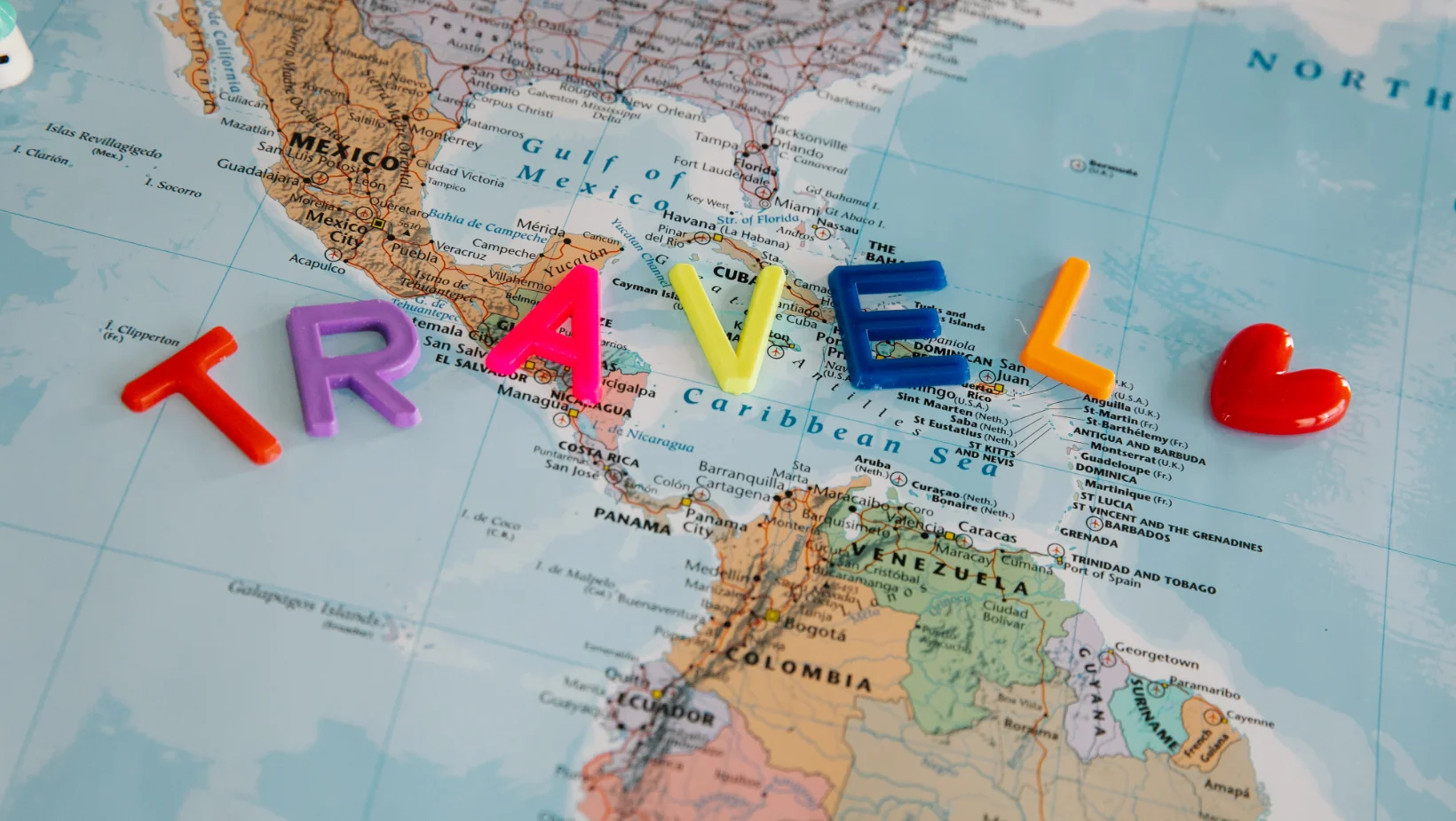

Internationalizing a consulting firm is not opening an office in another country and waiting. It is, first of all, going to walk that country before knowing whether it makes sense to be there. At Zarasa we ran several exploratory missions across the region and the United States, and every one of them started the same way: with a hunch that there was a niche for us there, and no guarantee whatsoever that the hunch was right.
The work starts long before the flight
Each mission is worked on for weeks before anyone boards a plane. You chase agendas with embassies, chambers of commerce, potential clients and local allies. You study the city map so you don't waste time bouncing from one side to the other. You calculate the time between meetings with the precision of someone who knows that one badly estimated hour can mean missing the most important meeting of the trip.
Every mission carries a concrete expectation behind it: entering a new market, meeting an ambassador, closing a local alliance, understanding how a specific sector moves in that country. That expectation is what justifies months of preparation for four or five days of packed agenda.
Coming back with a lot — and sometimes closing nothing
The uncomfortable part, the one that doesn't get told as often, is that you frequently come back with an agenda full of promising meetings and contacts that look like the ideal project, and six months later none of them turned into anything. It is part of the game. The investment in time, flights and energy does not always translate into a signed contract.
Instead of getting frustrated, we treated it as a learning process. Every mission that didn't close a project taught us something about that market: what kind of client responds, what pitch doesn't work there, which local alliance is actually worth building. With that information you build the next mission, better calibrated than the last. No mission is a failure if it becomes learning for the next one.
Running at full speed — and forgetting to look up
One of the hardest things about these missions is the temptation to fill every minute of the agenda. A lead at nine, a client at eleven, a chamber of commerce at two, and so on all day. We run at full speed because we want to squeeze the most out of every trip, and that logic makes sense — but it has a cost: sometimes there is no time left to walk the street, stop, and look up.
And it is exactly there, in the margin that wasn't planned, where things happen that no agenda foresees. You end up chatting in an elevator with someone who turns out to work on the floor above the building where you had your meeting, and that chance encounter ends in a project you had never imagined building. That is not on any itinerary. It comes from leaving a gap for surprise, for the hallway conversation that had no name and no scheduled time.
Learning to let go of the map
For someone with a structured, orderly mind, who plans every hour of a mission before boarding the plane, letting yourself be carried by the spirit of a city does not come naturally. It is hard to let go of the map. It is hard to walk into a business roundtable or an expo without a specific objective marked on the agenda, and simply see who shows up.
But it is there, in those roundtables and expos where not everything is scripted, that you often find the people aligned with what you are looking for. The best contact does not always come out of the formal meeting with the qualified lead. Sometimes it comes from staying a while longer after the talk ended, from listening to someone at the next table, from not rushing out to the next meeting.
Internationalizing Zarasa was, and still is, exactly that: a lot of planning, a lot of map, a lot of time math — and at the same time the constant learning of leaving room for what cannot be planned. Strategy is built with data and agendas. But the project you weren't expecting almost always appears when you finally stop to look up.
Frequently asked questions
How much preparation goes into a trade mission?
Each mission is worked on for weeks before anyone boards a plane. You chase agendas with embassies, chambers of commerce, potential clients and local allies, study the city map so you do not waste time crossing it, and calculate the time between meetings.
What happens when a trip closes nothing?
It is part of the game. You frequently come back with an agenda full of promising meetings and contacts that look like the ideal project, and six months later none of them turned into anything.
What is the most common mistake on these trips?
Filling every minute of the agenda. We run at full speed because we want to squeeze the most out of every trip, and that logic makes sense, but it leaves no room to look up.
Is your company thinking about expanding across the region?
We know these markets because we have walked them. Let's talk about how to approach your operation in Latin America or the United States.
Let's talk →